Why Your D2C Newsletter Ads Aren't Converting (And How to Fix It)
A D2C brand runs a few newsletter sponsorships, sees disappointing conversion, and concludes newsletters don't work for them. But low conversion is almost always a symptom of a specific, fixable problem — not evidence the channel is wrong. The key is diagnosing which problem you actually have.
This post walks through the most common reasons D2C newsletter ads underperform and how to fix each.
Problem 1: Audience Mismatch
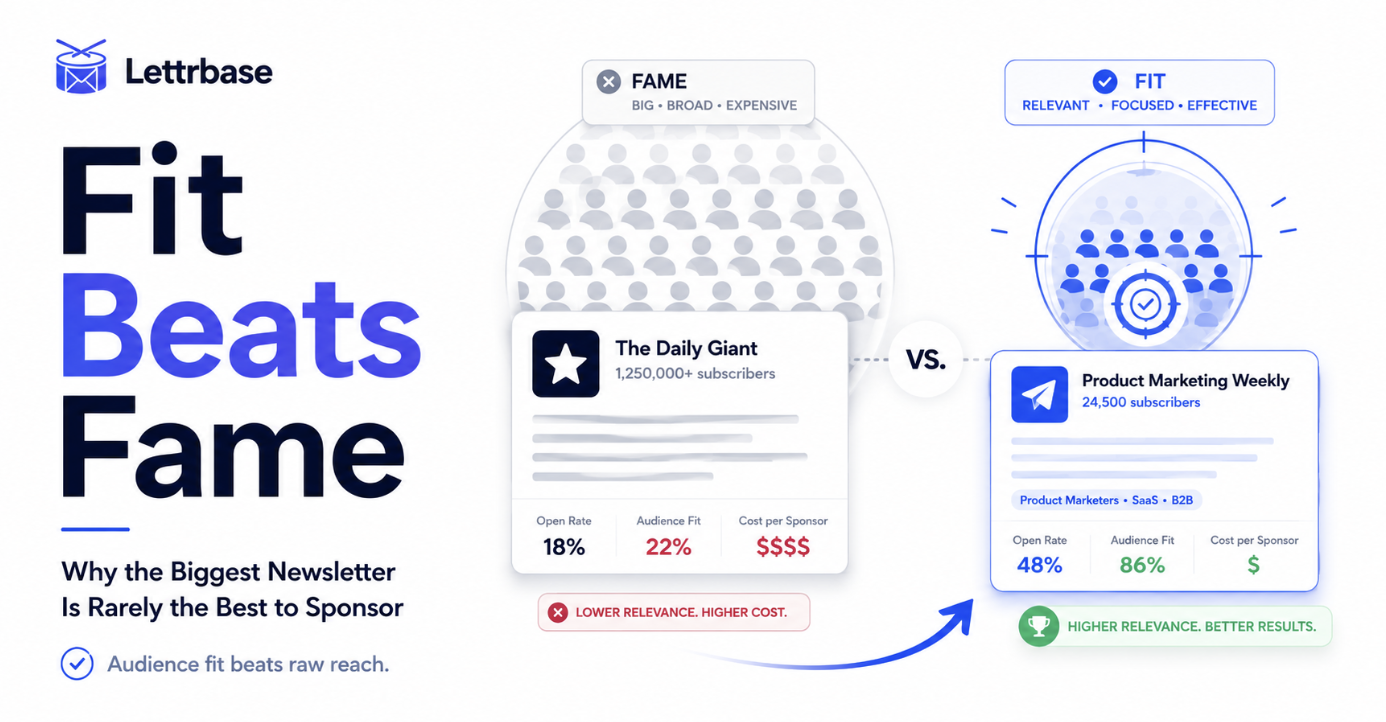
The most common cause of poor conversion is a newsletter whose audience doesn't actually match your customer. A wellness brand in a general business newsletter reaches many people, few of whom care about wellness. The reach looks good; the conversion is poor because the audience is wrong.
The fix: Prioritize audience fit over reach. Choose newsletters whose readers specifically match your customer profile, even if those newsletters are smaller. Audience precision drives conversion far more than raw reach.
Problem 2: Weak or Generic Ad Copy
Newsletter readers respond to copy that speaks to them specifically and offers a clear reason to act. Generic copy — vague benefit claims, no clear hook, no compelling offer — gets read past. D2C conversion depends heavily on the copy earning the click.
The fix: Lead with a specific hook that identifies the reader and their need, communicate one clear benefit, and include a concrete, low-friction offer (a discount, a trial, a guarantee).
Problem 3: No Dedicated Landing Experience
Sending newsletter traffic to your generic homepage creates friction. The reader clicked because of a specific message, then landed somewhere that doesn't continue that message. Conversion drops in the gap.
The fix: Send newsletter traffic to a dedicated landing page that continues the message from the ad, with a clear single call to action and ideally a newsletter-specific offer.
Problem 4: Weak Offer
D2C conversion from a cold newsletter audience often hinges on the offer. A reader encountering your brand for the first time needs a reason to act now rather than later (which usually means never). Without a compelling offer, even an interested reader rarely converts on first exposure.
The fix: Test offers specifically for newsletter traffic — a meaningful first-purchase discount, free shipping, a risk-free trial, or a bundle. The offer often matters more than the copy.
Problem 5: Judging Too Early
A single placement, or a single week of data, isn't enough to judge conversion. Performance varies issue to issue, and the compounding awareness effect means later placements often convert better than the first as the audience grows familiar with the brand.
The fix: Give each newsletter multiple placements and evaluate conversion across the aggregate, not the first issue.
Diagnosing Your Specific Problem
Work through these in order. If conversion is poor across all newsletters, the problem is likely copy, landing experience, or offer — things common to all your placements. If conversion varies widely between newsletters, the problem is more likely audience fit — some newsletters match your customer and some don't.
This diagnostic distinction matters: fixing audience mismatch means better newsletter selection, while fixing copy or offer means changing what's common across placements.
Better Selection Starts With Better Discovery
Since audience mismatch is the most common conversion killer, getting newsletter selection right is foundational. Lettrbase is a newsletter discovery database that lets D2C brands search by category and surface consumer newsletter leads matched to their specific audience — addressing the root cause of the most common conversion problem before a single ad goes live.